

7 signs an older person may need some extra support at home
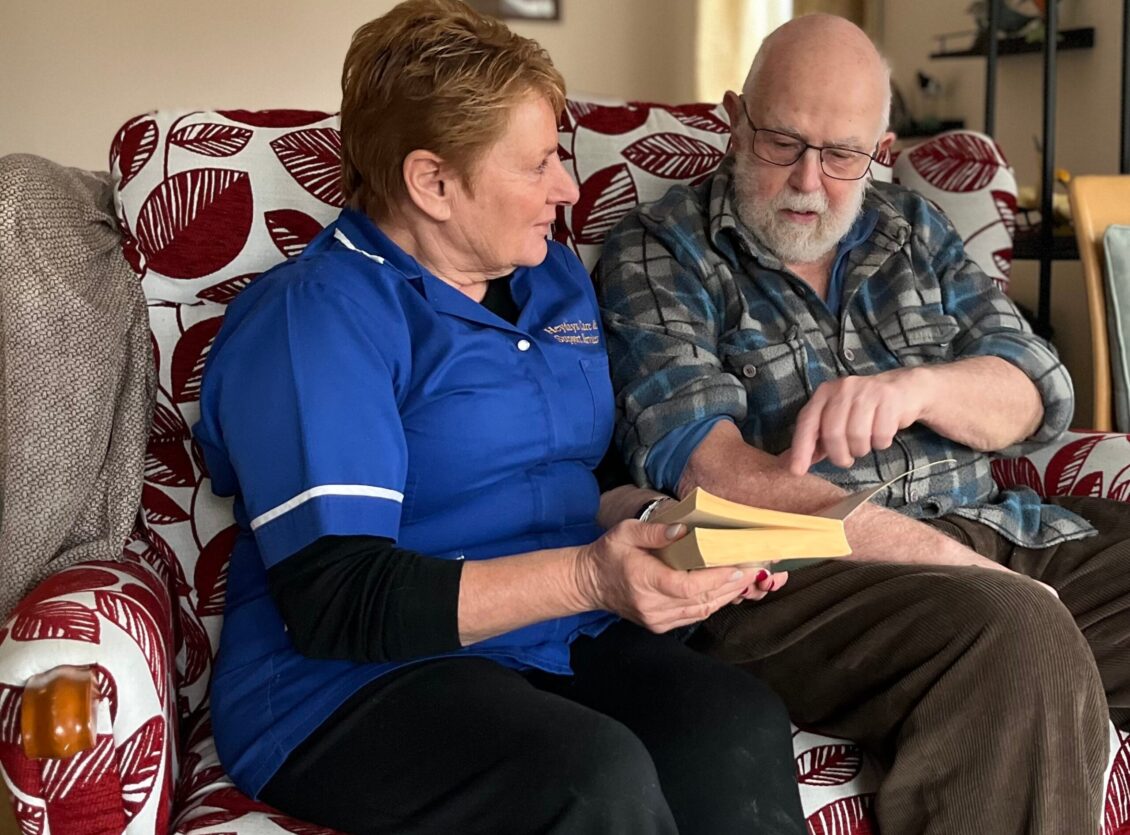
It’s not always obvious when someone you love is beginning to need a little more help at home.
Sometimes there’s a significant event – such as a fall, illness or stay in hospital – that suddenly changes things. More often, though, the signs appear gradually.
Perhaps Mum’s fridge isn’t as well stocked as it used to be. Dad has stopped going out quite so often. The house is becoming more difficult to manage. Or you’ve simply found yourself checking in more and doing a little more each week.
None of these things automatically means someone can no longer live independently.
In fact, recognising that a little extra support might help can be an important part of protecting someone’s independence and helping them continue living safely and happily in their own home.
Here are seven changes families may want to look out for.
1. Meals are becoming more difficult
Take a look in the fridge or cupboards when you visit.
Is there plenty of fresh food? Are meals still being prepared regularly? Has your relative lost weight or started relying heavily on snacks and convenience foods?
Shopping, preparing food and cleaning up afterwards can gradually become more difficult because of reduced mobility, tiredness or confidence.
A little support with shopping or meal preparation may be all that’s needed.
2. The house is becoming harder to manage
A previously tidy home becoming increasingly cluttered or household jobs being left undone can sometimes indicate that everyday tasks are becoming more difficult.
That doesn’t necessarily mean someone needs significant care.
They may simply benefit from some practical help so that their energy can be spent on the things that matter more to them.
3. They are getting out less
Has someone who previously enjoyed shopping, meeting friends, attending groups or simply going for a walk started spending much more time at home?
Reduced mobility, loss of confidence or concerns about falling can gradually make someone's world smaller.
Regular companionship and support getting out and about can help someone stay connected to the people, places and activities they enjoy.
4. Medication or appointments are being forgotten
Occasionally forgetting something happens to all of us.
But repeated missed appointments, confusion around medication or difficulty keeping track of routines may be something worth paying attention to.
Depending on the circumstances, some regular support can help someone maintain those everyday routines safely.
5. Personal care is becoming more difficult
You may notice changes in clothing, hygiene or someone's usual appearance.
Bathing, dressing and other personal care tasks can become more challenging because of reduced mobility, pain, confidence or changes in health.
These conversations need to be approached sensitively and respectfully.
The right care should always protect a person's privacy, dignity and choices.
6. They seem more isolated or lonely
Someone can be perfectly capable of living at home but still spend too much time alone.
Bereavement, reduced mobility, friends moving away and no longer being able to drive can all gradually reduce someone's social contact.
Companionship is therefore an important part of home care.
Sometimes what makes the biggest difference isn't completing a task at all. It's having someone arrive who has time for a conversation, a cup of tea, a walk or an outing.
7. The family is gradually doing more and more
Sometimes the clearest sign isn't a change in the older person.
It's a change in you.
Perhaps you're visiting more frequently, doing the shopping, preparing meals, arranging appointments or calling every evening to make sure everything is okay.
Families naturally want to help.
But if caring responsibilities are gradually increasing, some additional support can benefit everyone – including the person receiving care.
Does this mean it's time for home care?
Not necessarily.
There isn't a single point at which someone suddenly becomes a person who “needs care”.
For many people, support begins very gradually.
It might simply be help with shopping, preparing meals, getting out of the house or having some regular companionship.
As circumstances change, that support can change too.
The important thing is finding the right balance between providing help and allowing someone to maintain as much choice, confidence and independence as possible.
Start with a conversation
If you've begun noticing some of these changes in someone you love, you don't need to have everything worked out before asking for advice.
Sometimes the first step is simply talking about what you've noticed and exploring what might make everyday life a little easier.
At Heydays Care, we provide flexible care and support for people in their own homes across South Cumbria.
Our approach starts with the individual – their routines, their preferences and what matters to them.
Wondering whether a little extra support could help?
Talk to the Heydays team. We’ll be happy to listen, answer your questions and help you understand the options available.