

How Companionship Care Can Help Someone Stay Independent
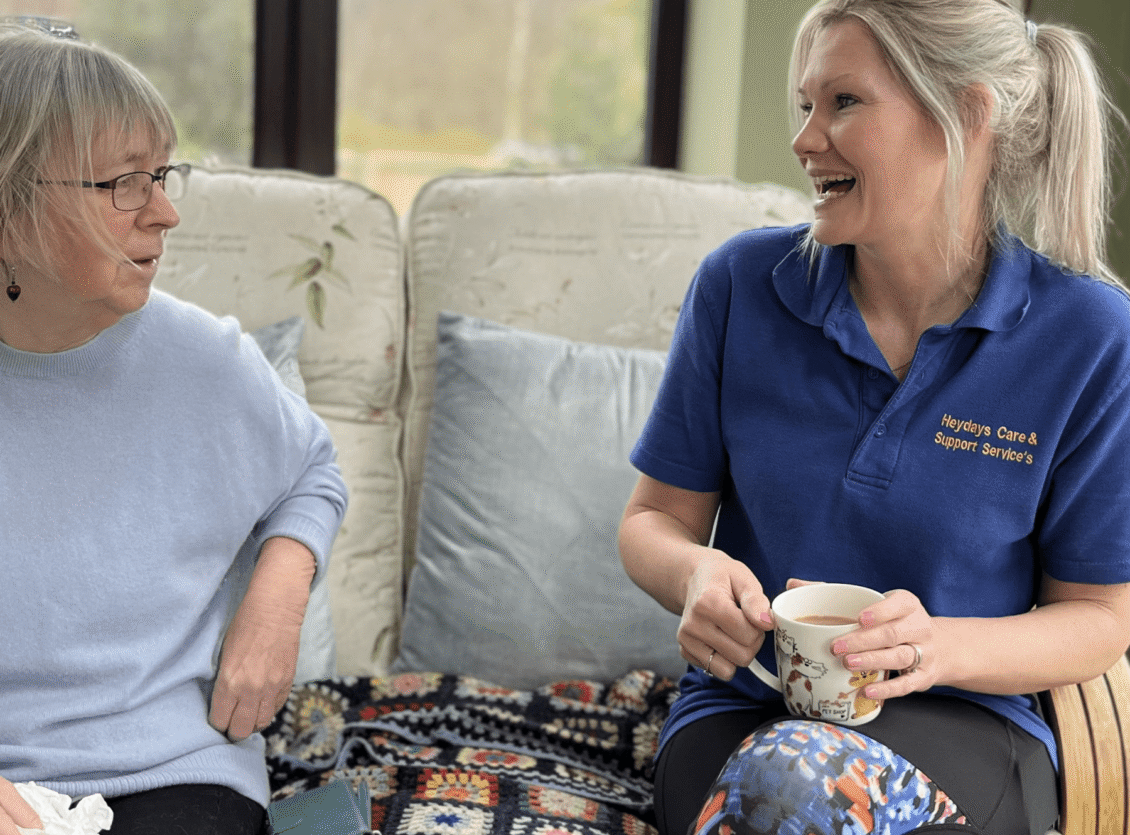
Independence means different things to different people.
For one person, it might mean continuing to make their own meals.
For someone else, it could mean getting out to the shops, attending a regular appointment, seeing friends or simply staying in control of their own routine.
As people get older, small changes in health, mobility or confidence can make some of these everyday things more difficult.
That does not always mean someone needs intensive care.
Sometimes the right kind of companionship and practical support can be enough to help them keep doing more for themselves.
At Heydays Care, companionship is about supporting independence, not replacing it.
What is companionship care?
Companionship care is exactly what it sounds like: regular, reliable support from someone who spends time with the person, gets to know them and helps them continue doing the things that matter to them.
That might include:
- having a cup of tea and a chat
- sharing a meal
- going for a walk
- helping with shopping
- attending appointments
- going out for lunch or to a favourite café
- supporting hobbies and interests
- visiting friends or family
- getting out into the local community
- simply providing regular company during the week
For some people, that support can make a significant difference to confidence and quality of life.
Companionship is not the same as taking over
One of the concerns some people have about accepting care is that they will lose their independence.
They may worry that somebody will start doing everything for them.
Good companionship care should work in the opposite way.
The aim is to support people to continue doing as much as they can for themselves.
That might mean standing alongside someone while they prepare lunch rather than doing it all for them.
It might mean accompanying them to the shops rather than shopping on their behalf.
Or it might simply mean providing reassurance so they feel confident enough to keep going out.
The focus should always be on what the individual can do, not only on what they are finding more difficult.
Helping someone stay active and involved
Confidence can sometimes reduce before physical ability does.
Someone may still be capable of going out, but perhaps they no longer feel comfortable driving.
They may worry about falling.
They may feel anxious about navigating somewhere unfamiliar.
Or they may simply have become used to staying at home.
Having a familiar person alongside them can make those activities feel manageable again.
Companionship care can help someone continue:
- going to the shops
- visiting a café
- attending clubs or activities
- going to medical appointments
- seeing friends and family
- enjoying local walks
- taking part in hobbies
- attending community events
You can also find out more about Community Access at Heydays.
Supporting routines that matter
Independence is often tied closely to routine.
People may have done things in the same way for years.
A regular shopping trip.
A weekly visit to a friend.
A favourite television programme.
A morning walk.
A particular café.
When health or mobility changes, losing these familiar routines can feel like losing part of normal life.
Companionship care can help protect those routines for longer.
It is not always about introducing something new.
Often, it is about helping someone continue with the things they already value.
Rebuilding confidence
A fall, illness, bereavement or period of time in hospital can affect confidence.
Someone may become hesitant about going out alone or attempting things they previously managed easily.
Once that confidence drops, it can become tempting to avoid activities altogether.
But avoidance can sometimes make confidence fall further.
Having someone alongside them can help a person gradually begin doing more again.
This might start with a short walk.
Then a trip to a local shop.
Then perhaps lunch out or attending an activity.
Small steps can make a big difference.
Companionship and emotional wellbeing
Independence is not only physical.
Feeling connected to other people also matters.
Regular companionship can provide:
- conversation
- reassurance
- a sense of routine
- something to look forward to
- emotional support
- opportunities to stay engaged with the wider world
For someone who spends long periods alone, simply having a familiar person to talk to can be extremely valuable.
Our article on loneliness in older people also looks at how regular connection and community involvement can support wellbeing.
Practical support can protect independence
Sometimes very small amounts of practical help can prevent someone from becoming more dependent than they need to be.
For example, someone may be able to live safely at home but struggle with:
- heavier shopping
- getting to appointments
- preparing certain meals
- collecting prescriptions
- organising paperwork
- getting out in poor weather
- remembering plans or routines
A little support with these tasks can help the person continue managing everything else themselves.
That is one of the reasons flexible care can be so effective.
Support can be shaped around what someone genuinely needs rather than assuming they require help with everything.
Giving family members reassurance too
Companionship care can also make a difference to families.
Adult children may live some distance away.
They may be balancing work, children and other responsibilities.
Or they may simply worry about a parent spending too much time alone.
Knowing that a familiar carer is visiting regularly can provide reassurance.
It also means time spent with family can remain about being together, rather than every visit becoming focused on practical jobs.
Good care can support the whole family without replacing family relationships.
Familiar carers can make a real difference
Trust matters.
People are often more comfortable accepting support from someone they know.
Over time, familiar carers begin to understand:
- routines
- preferences
- interests
- communication styles
- what someone enjoys
- what makes them anxious
- when something feels different
That familiarity can make support feel much more natural.
It can also help carers notice subtle changes in someone's wellbeing or confidence.
At Heydays, continuity and relationship-building are important parts of the way we approach care.
When might companionship care be useful?
Companionship care may be worth considering if someone:
- is managing at home but spending more time alone
- has stopped going out as much
- lacks confidence attending appointments alone
- needs some practical help but not intensive care
- would benefit from regular company
- is becoming less involved in hobbies or activities
- relies heavily on family for outings and social contact
- would like support maintaining their usual routines
- has become less confident following illness, bereavement or a fall
The right level of support can be very small.
Sometimes one or two regular visits can be enough to make everyday life feel easier and more connected.
Supporting independence at home
The purpose of care should not be to take control away from someone.
It should help them retain as much choice, confidence and independence as possible.
That means listening first.
What matters to this person?
What do they want to continue doing?
What are they finding harder?
And where would a little help make the biggest difference?
The answers will be different for everybody.
Companionship care from Heydays
Heydays provides flexible companionship and home care support across South Cumbria.
Our carers can support people at home and out in the community, helping them remain active, connected and involved in everyday life.
Support can be arranged around individual routines and preferences and can sit alongside other types of home care as needs change.
If you are beginning to think that someone you care about could benefit from a little more company or support, we are always happy to have an informal conversation.
Find out more about Companionship Care at Heydays or explore our Community Access support